
Guardian Pipeline G3 easement offers: what Illinois landowners should review
Published by Victor Cacciatore
A pipeline easement offer can look like a price for a strip of land. For an owner along Guardian Pipeline's proposed G3 route, the more important question is what rights the agreement would give the company—and what use of the property the owner would retain. Neither the route map nor the offer amount answers that question by itself.
A parallel route does not settle the easement question
The proposed G3 Expansion includes approximately 68 miles of new pipeline loop generally parallel to Guardian's existing Illinois right-of-way, subject to regulatory approvals. That is the broad project described in the public project materials; it is not a substitute for a parcel-specific survey. Even if an existing easement crosses the property, its boundaries and terms may differ from the new rights being requested. Compare the existing easement, the proposed agreement, and the current survey together.
Timing matters, too. A company may seek a negotiated easement before federal approval. The owner should understand what signing would authorize under the agreement's terms rather than assume that the route or construction details are final. An offer alone does not grant the company an easement.
Look beyond the permanent easement strip
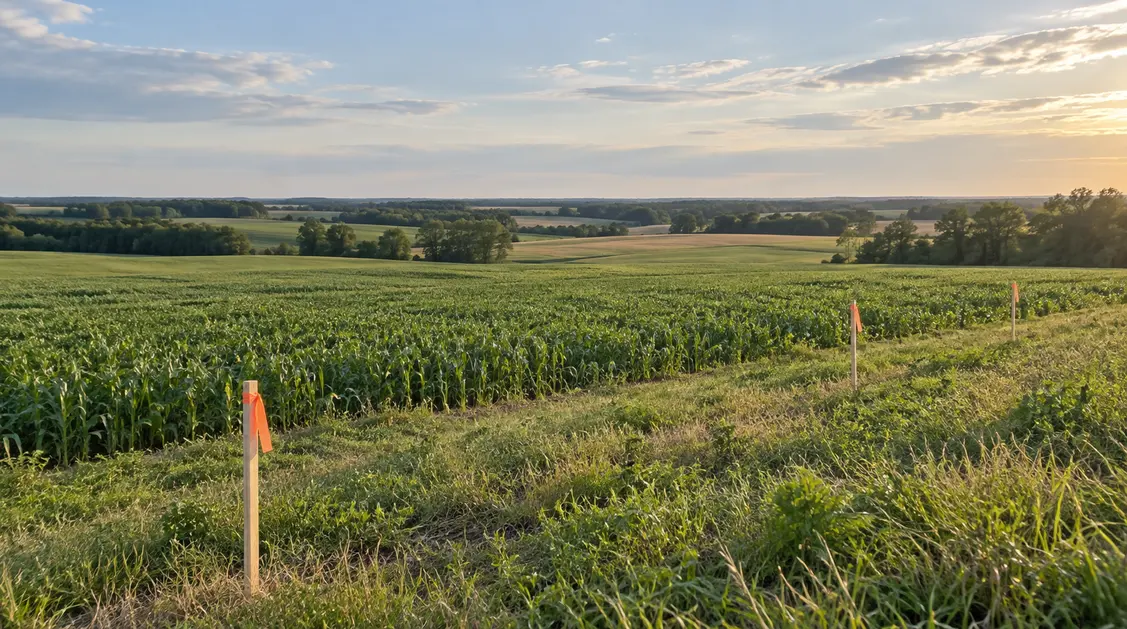
On farmland, the lasting effect may have little to do with the acreage of the permanent strip. Temporary construction workspace and access routes can affect crops, drainage tile, soil, fencing, and the ability to use the land during construction. Permanent easement language may restrict buildings, trees, or future improvements. The agreement should clearly locate each area the company may use and address damage, repair, and restoration.
The useful comparison is not simply dollars per acre. It is the payment measured against the rights surrendered, the effects on the rest of the property, and the obligations the company accepts. Federal landowner information recognizes that negotiations may address lost uses, resources, and property damage. The facts of the parcel and the proposed language determine what needs attention.
Review the offer before signing
Place the offer, proposed easement, route and workspace maps, existing easements, farm records, and correspondence about access or restoration side by side. Look for gaps between the map and the written grant of rights, and for impacts the initial offer does not address. Independent legal and valuation review can help make those issues concrete before an owner signs.
If FERC authorizes the project and the parties cannot agree, the company may be able to seek the necessary easement through eminent domain, with compensation determined in court. That possibility does not make the initial offer final or excuse an imprecise agreement. The parcel-specific route, approval status, and proposed terms all deserve review.
This article is general information, not legal advice. Project plans and approvals can change. Reading it does not create an attorney-client relationship.